
How to Automate Your SDR Workflow with AI (Step-by-Step Guide for 2026)
Prospecting, cold email personalization, and follow-ups can consume up to 70% of an SDR's day. Learn how to combine AI-powered workflows with human oversight to qualify leads intelligently and book 3x more meetings.
Introduction
In B2B sales, time is the ultimate currency and sales development representatives (SDRs) often spend most of it on manual, repetitive tasks. Prospecting, sending cold emails, and chasing follow-ups can take up to 70% of an SDR’s workday, leaving little room for real conversations.
That’s where AI SDR automation comes in. By combining AI-powered workflows with human oversight, modern teams can automate SDR outreach, qualify leads intelligently, and book more meetings without hiring an army of SDRs.
What is AI SDR Automation?
AI SDR automation refers to using artificial intelligence to handle repetitive presales activities such as prospecting, outreach, follow-ups, and lead qualification. Instead of relying on manual research and messaging, AI systems can learn from your ideal customer profile (ICP), find the right prospects, and engage them using personalized messages.
The Role of SDRs in Modern Sales Teams
SDRs are the bridge between marketing and sales. They identify prospects, nurture them through outreach, and schedule meetings for Account Executives. However, as competition grows, manual SDR work isn’t scalable, which is why automation is no longer optional.
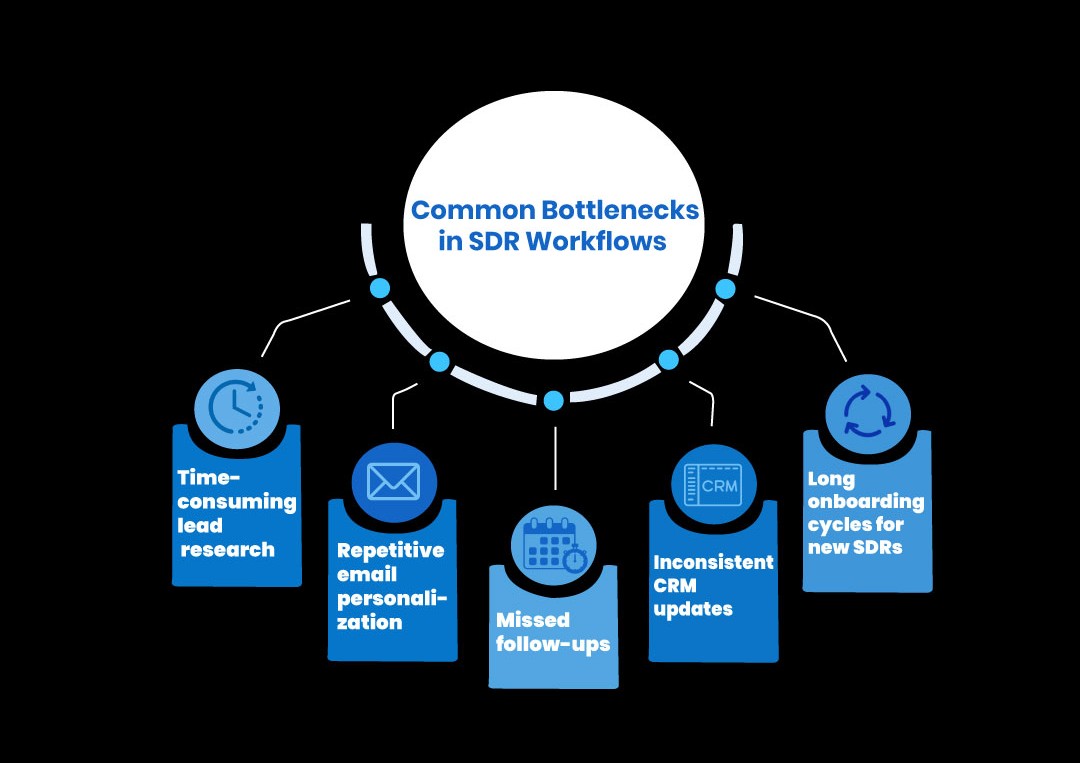
Common Bottlenecks in SDR Workflows
Sales teams face several repetitive friction points that slow down performance:
AI automates these tasks, allowing SDRs to focus on conversations, not data entry.
How AI Transforms SDR Outreach and Lead Qualification
Let’s walk through how automation transforms every stage of your SDR workflow:
Step 1: Prospect Research Automation
AI scrapes and enriches leads from databases like LinkedIn, Apollo, and Crunchbase. Tools analyze your ICP — job titles, industries, geographies, and company sizes — then create verified prospect lists automatically.
Step 2: AI-Powered Email & LinkedIn Outreach
With AI, personalization happens at scale. ScalePods’ automation drafts hyper-personalized messages that mimic human tone: referencing job titles, companies, and mutual connections.
Step 3: Intelligent Follow-Ups & Nurturing
Follow-ups make or break SDR success, yet 44% of reps give up after the first attempt. AI SDR automation creates multi-channel follow-up sequences (email, LinkedIn, WhatsApp) that trigger based on lead behavior — like email opens, clicks, or no responses.
Step 4: AI Meeting Scheduling and Handoffs
Once a prospect replies, AI instantly books the meeting through tools like Calendly or integrated Google Calendar bots. It then logs data into the CRM, and notifies the account executive.
Inside an AI Presales Pod
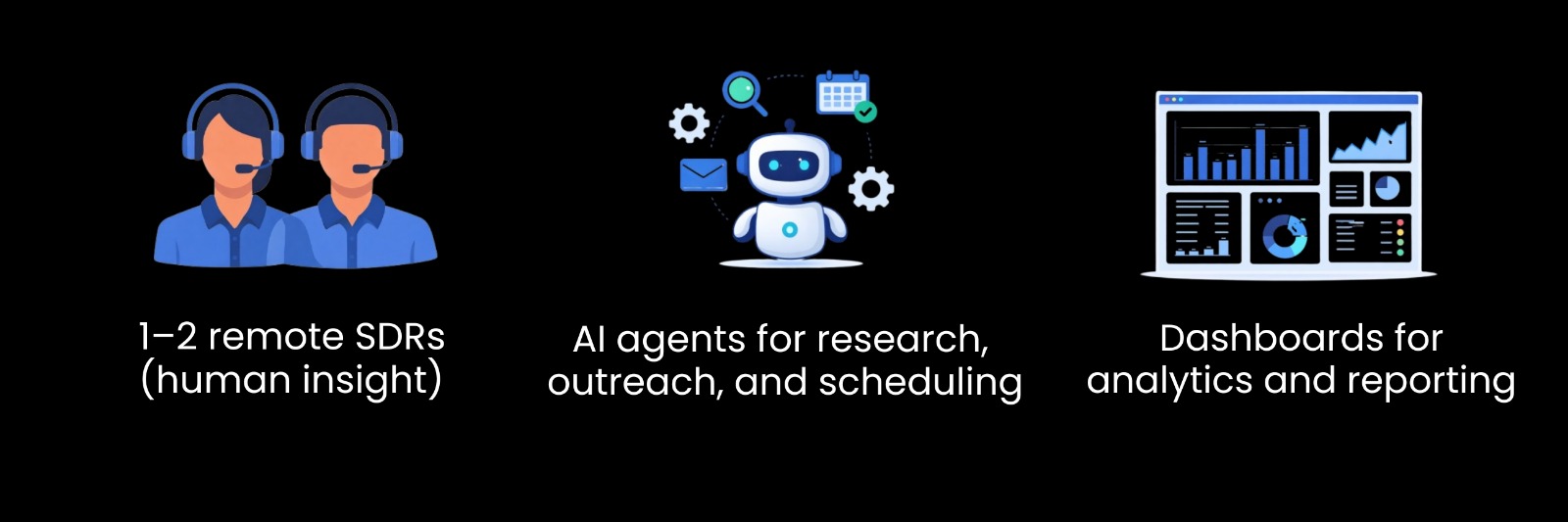
An AI Presales Pod combines:
Together, they deliver an always-on lead generation system that’s predictable, measurable, and scalable.
How It Works (Human + AI Collaboration)
Personalization and Conversion: Authentic Outreach at Scale
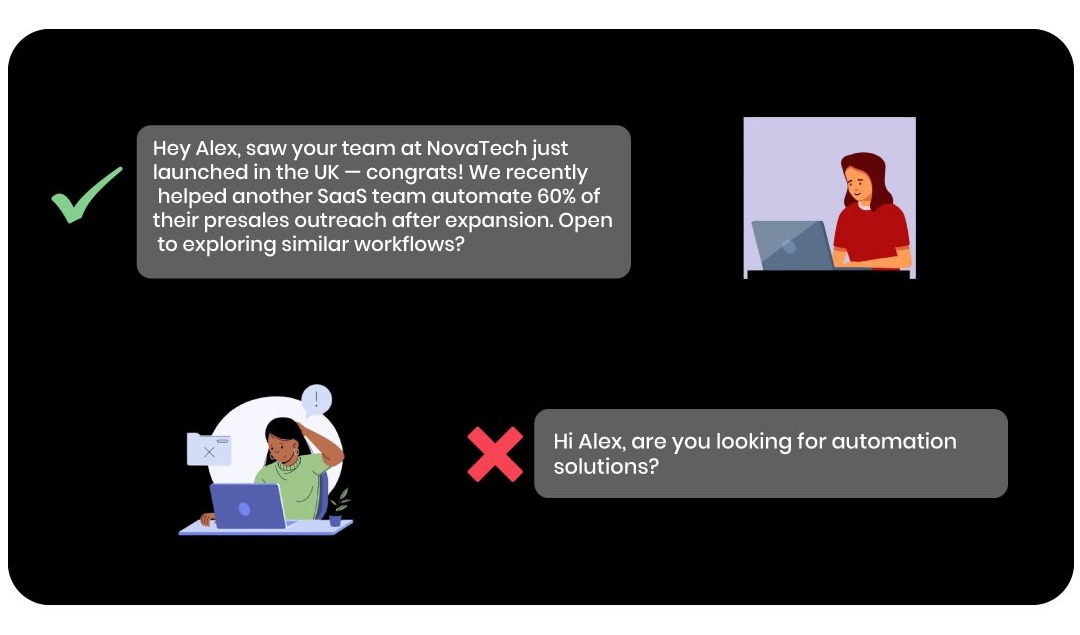
One of the most common fears with automation is losing the “human touch.” But modern AI sales assistants are trained to sound personal, contextual, and relevant - not robotic.
AI tools analyze:
Using this intelligence, the AI crafts hyper-personalized outreach outreach messages that sound natural, the kind you’d expect from a thoughtful human SDR.
Automated SDR systems that use AI personalization often report:
This shift from mass messaging to smart messaging turns automation from a volume game into a precision instrument for conversion.
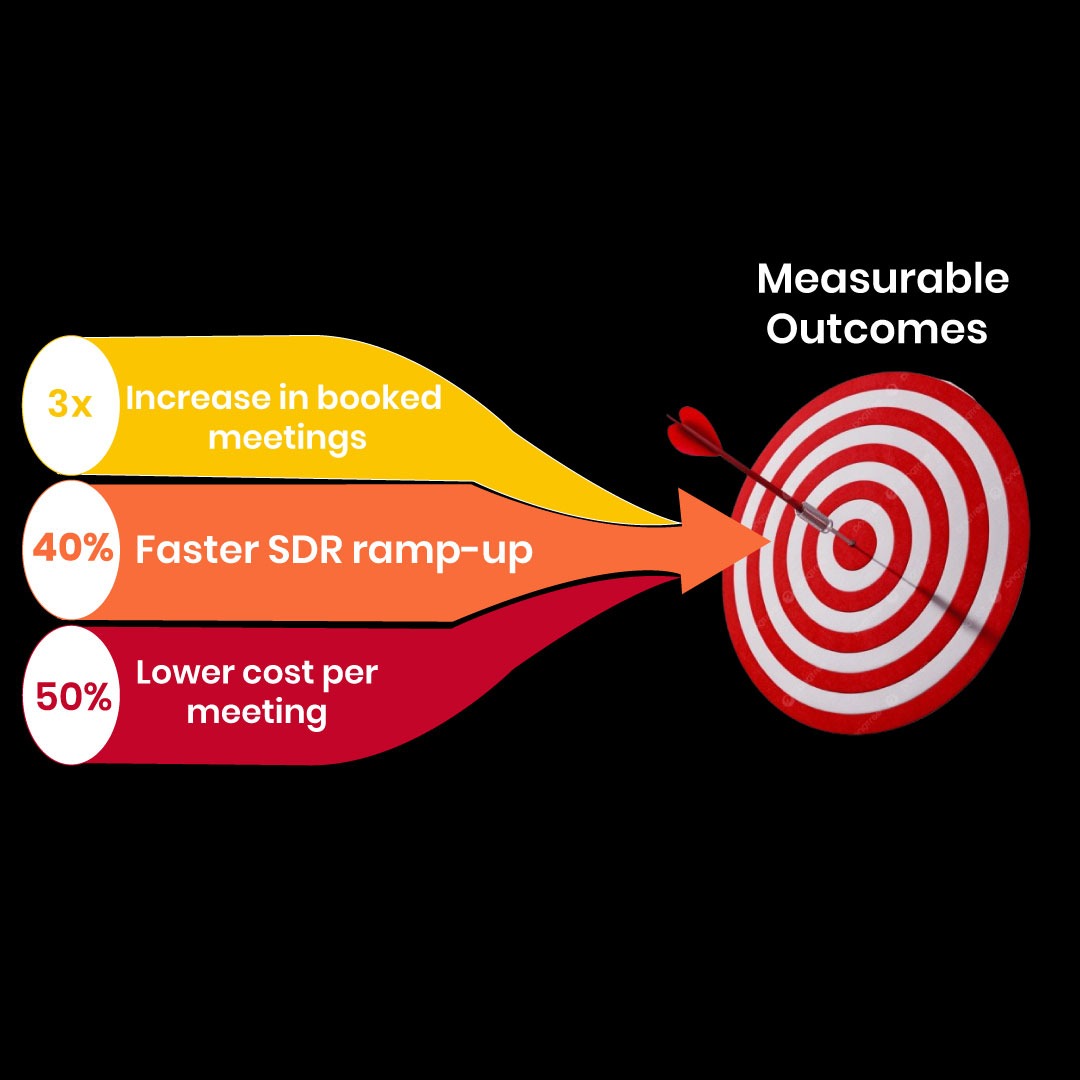
Measurable Outcomes
Automating SDR workflows delivers concrete, baseline operational metrics:
Benefits of Automating SDR Workflows
AI SDR automation completely transforms how your revenue team operates. From improving speed to ensuring perfect personalization, AI systems empower SDRs to become more strategic, data-driven, and outcome-focused.
Let’s explore the core benefits in detail:
1. Speed and Scale: Reach Thousands Without Losing Precision
One of the biggest advantages of automating SDR workflows is scale. Traditionally, an SDR might send 50–100 emails a day and research each prospect manually, a process that’s slow, inconsistent, and prone to burnout.
AI, however, can process thousands of prospects daily without fatigue. Automated systems identify ideal leads, scrape verified contact details, enrich profiles with public data, and trigger outreach sequences all in minutes, not days.
This acceleration allows your sales team to:
In a competitive market where speed-to-lead defines success, AI ensures your company is the first to engage every time. And since the AI doesn’t need sleep, holidays, or coffee breaks, your pipeline stays active 24/7.
2. Reporting and Visibility: Complete Control Over Every Step
Sales leaders know that without visibility, you can’t scale. Traditional SDR processes often hide crucial data in personal inboxes, spreadsheets, or outdated CRMs. AI automation eliminates this black box by tracking every touchpoint automatically, from the first email to the booked meeting.
With centralized dashboards, you can see:
This transparency enables data-driven decision-making. Instead of guessing which outreach style works, you’ll know instantly. Managers can optimize sequences, A/B test subject lines, refine ICP targeting on the go, and ensure zero data loss with seamless CRM syncing.
Implementing AI SDR Automation with ScalePods
While most businesses struggle to stitch together multiple tools for prospecting, outreach, and follow-ups, ScalePods takes a completely different approach. At ScalePods, we build AI Sales Enablement Pods, self-contained systems that combine human intelligence and AI automation into a single, outcome-driven engine.
Instead of juggling different vendors or platforms, you get one integrated Pod that handles prospect research, personalized outreach, automated follow-ups, voice engagement, and scheduling, all connected to your CRM and analytics dashboards.
Why Choose ScalePods’ AI Sales Enablement Pods: